

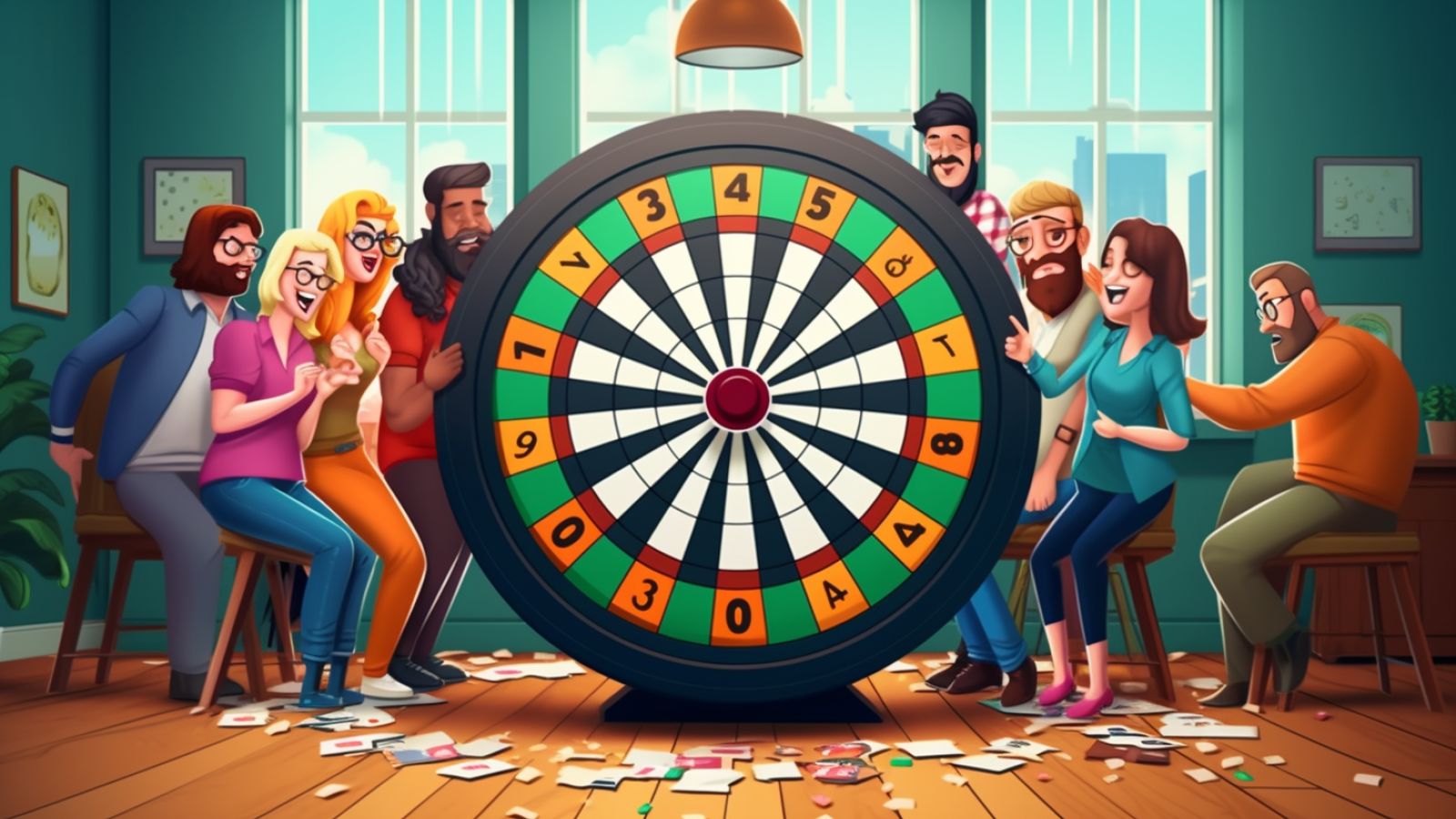
On the surface, a yes or no wheel is almost comically simple: half the wheel says yes, half says no, you spin, you get an answer. It sounds like it couldn't possibly be useful for anything that matters. And yet people reach for it constantly, and not just for trivial choices. There's real psychology behind why a coin-flip in wheel form helps, and some genuine perks worth understanding.
What it's actually for
The yes or no wheel isn't meant to make important decisions for you — nobody's deciding whether to take a job by spinning. It's for the enormous category of small, low-stakes choices that clog up a day: should I go to the gym now or later, should we get takeout tonight, should I send that slightly awkward text. These don't deserve deep deliberation, but we give it to them anyway, and it's exhausting. The wheel is a shortcut past all that.
You can try the basic version with any custom options on the custom spinner, loading it with a simple yes and no or with a few more nuanced choices. It even works as part of a morning routine — pairing a quick decision spin with the wheel of morning is a low-effort way to start the day with momentum rather than dithering. Either way, the function is the same: hand a small decision to chance and move on.
The perk of breaking analysis paralysis
The biggest benefit is escaping the loop. Some decisions aren't hard because the options are close in value — they're hard because you keep circling, weighing the same points over and over without converging. That's analysis paralysis, and willpower rarely breaks it. A random result does, instantly. The wheel gives you a definite answer, and suddenly you're acting instead of spinning your wheels, so to speak.
What's more, the answer doesn't even have to be one you keep. Plenty of people spin, see "no," and immediately feel a flicker of disappointment — which tells them they actually wanted "yes" all along. The wheel surfaces a preference you couldn't access by thinking. In that sense it's less a decision-maker and more a decision-revealer. That's a subtle but important reframing: you're not really outsourcing the choice to chance, you're using chance as a way to interrogate yourself. The spin forces a concrete outcome to react to, and your reaction is the real data. It's remarkable how often a person who claimed to be genuinely torn discovers, the instant the wheel lands, that they were quietly leaning one way the whole time.
The perk of removing responsibility
There's a social version of this, too. When a group can't decide where to eat, the problem often isn't that no option is acceptable — it's that nobody wants to be the one who chose wrong. A wheel removes the responsibility. The wheel picked the restaurant, so if it's mediocre, no single person is to blame. That diffusion of responsibility is quietly powerful, and it's why the yes or no wheel is so handy for group choices where everyone's being politely indecisive. The same effect shows up at home constantly, from picking a family movie to deciding whose turn it is to drive — anywhere the choice is easy but owning it is not.
The perk of speed
Some of the value is just time. The small decisions of a day are individually tiny but collectively significant, and each one spent deliberating is a little tax on your attention. Outsourcing the truly inconsequential ones to a spin frees that mental energy for the choices that genuinely warrant it. Decision fatigue is real — the more trivial calls you make, the worse your important ones get later in the day — so offloading the trivial ones is a legitimate strategy, not just a gimmick.
A playful edge that matters
There's also something to be said for the sheer fun of it. Turning a decision into a spin adds a tiny bit of ritual and suspense to an otherwise dull moment. It makes deciding feel like a game rather than a burden, and that lightness is part of why people keep coming back. A choice you were dreading becomes a two-second spin you almost enjoy. For a related take on how randomness helps with harder emotional decisions, the way a spin interacts with your gut reaction is explored further in our piece on the evolution of spin the wheel entertainment.
Using it well
The trick to getting value from a yes or no wheel is knowing what to feed it. Reserve it for decisions where any outcome is genuinely fine, or where you're stuck and just need momentum. Pay attention to your reaction when it lands — that flash of relief or disappointment is real information. And don't use it to dodge choices that actually deserve your thought. Used that way, this almost laughably simple tool turns out to be a small but real ally against the everyday paralysis of too many trivial decisions. It's worth remembering that the wheel isn't fighting your judgment — it's protecting it, by clearing away the dozens of tiny calls that would otherwise wear it down before the important ones arrive. There's a reason the format has survived from carnival midways to phone screens: it scratches a genuine itch. We are wired to overthink even the smallest forks in the road, and a spin is permission to stop. Give the trivial stuff to chance, keep the meaningful stuff for yourself, and you'll find both kinds of decision get a little easier.